
For Sale by AuctionNew listing
Office
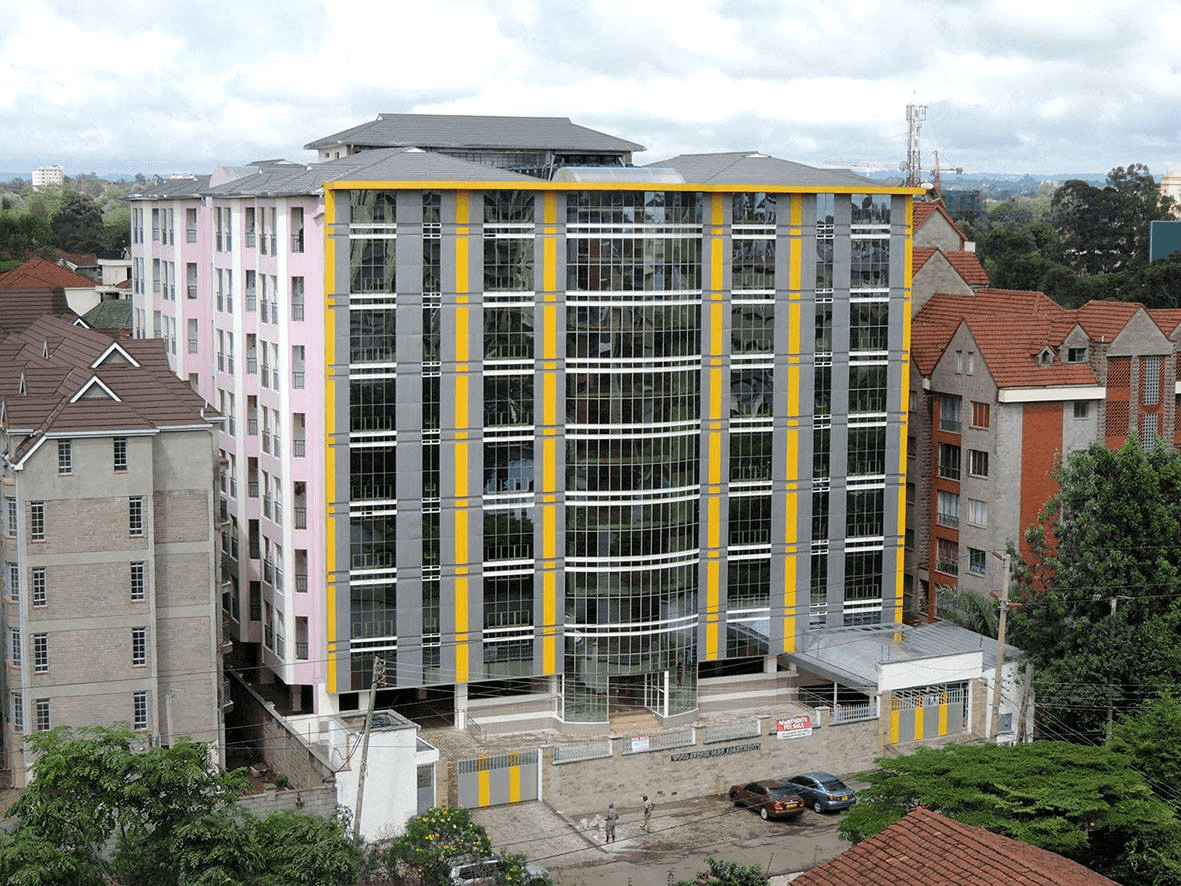
Emani Business Centre, Thika Road - Pangani, Nairobi
Thika Road, Pangani
- Guide
- KES 380M
- Size
- 0.2277HA OR 0.5626 ACRES
- Yield
- 13.7%

Bank sales, receiver sales and private treaty lots across Nairobi, Mombasa, Kisumu and Nakuru.
A commercial property auction in Kenya is a public sale conducted under the Land Act 2012 and the Auctioneers Act (Cap 526), in which a chargee — typically a bank — or a receiver offers land and buildings to the highest bidder above a reserve price. The auction is the final stage of a statutory enforcement process that begins with default and ends with transfer, and it is the principal route through which commercial property changes hands at forced-sale values.
This hub aggregates verified commercial auction listings across Kenya: bank sales, receiver sales, court-ordered sales and private treaty listings. Each lot is presented with its guide price, auction date, selling party and legal pack status, so that buyers can assess the opportunity and the process before committing to bid.
Thika Road, Pangani
Kileleshwa, Kilimani
Kenyan commercial property auctions follow a statutory sequence. When a borrower defaults on a charge, the chargee must serve a 40-day notice of default, followed by a three-month statutory notice of sale, before the property can be offered at auction. The auctioneer then publishes the sale in the Kenya Gazette and newspapers, conducts a public auction, and declares the highest bidder above the reserve price the purchaser.
Under the standard Kenyan conditions the successful bidder pays a deposit — commonly 25% of the purchase price — immediately on the fall of the hammer, in cash or by banker's cheque only, with the balance within 90 days. The deposit amount, payment deadline, payment method and recipient for each lot are set by that lot's conditions of sale, not by Murivest. Completion is not conditional on financing, and failure to complete within the period can result in forfeiture of the deposit and resale of the property. Buyers should treat the settlement period as strict and arrange funding before bidding.
A bank sale is conducted by the chargee under its statutory power of sale: the bank has appointed an auctioneer and offers the property directly. A receiver sale occurs where the chargee has appointed a receiver over the borrower's undertaking — typically under a debenture — and the receiver sells the property as part of managing the charged business. A court-ordered sale follows judgment in civil proceedings and is conducted under the direction of the court.
The practical differences for buyers are matters of process and risk. Bank and receiver sales move on statutory timetables, and the documentation trail — the notices, the valuation and the auctioneer's licence — is what a diligent buyer verifies first. Private treaty listings, by contrast, are negotiated sales of distressed or motivated assets outside the auction room, with ordinary contract timelines.
Every Kenyan auction lot is sold subject to the title as it stands: existing encumbrances, easements and caveats disclosed in the register pass to the buyer. The buyer is responsible for verifying title, rates arrears and zoning compliance at the Lands Registry and the relevant county offices. The legal pack — where available — should contain the official search, the encumbrances section, the statutory notices and the conditions of sale.
Buyers should commission an independent official search close to the auction date, because the register can change between publication and the fall of the hammer. Where the legal pack is incomplete, the price should reflect the residual risk, and the buyer's advocate should raise requisitions before bidding rather than after.
Auction activity in Kenya concentrates in Nairobi County, with Mombasa, Kisumu and Nakuru forming the secondary markets. Lots range from CBD office buildings and storefront retail to industrial units along the Mombasa Road corridor. The calendar below groups verified Murivest lots by auction date and county; the selling party and sale authority for each lot are disclosed as the auction notice and conditions of sale require, with full documentation released to qualified buyers on request under appropriate confidentiality and mandate arrangements.
A public sale of land or buildings conducted under the Land Act 2012 and the Auctioneers Act (Cap 526), in which a chargee or receiver offers the property to the highest bidder above a reserve price. The successful bidder pays the deposit set by the conditions of sale — commonly 25% on the fall of the hammer — and the balance within the period the conditions state.
Yes. Non-Kenyan bidders may purchase and hold commercial property in Kenya, subject to the constitutional and statutory limitations on agricultural land, which is generally restricted to Kenyan citizens. Foreign buyers should confirm the land's designation and any consent requirements with their advocate before bidding.
The deposit is set by the conditions of sale for each lot. Under the standard Kenyan conditions it is 25% of the purchase price, payable immediately on the fall of the hammer directly to the auctioneer, with only cash or a banker's cheque accepted at the auction itself and the balance due within 90 days. Always confirm the deposit amount, payment deadline, method and recipient in the conditions of sale for the specific lot before bidding.
No. Murivest Group Ltd provides commercial real estate services and publishes auction intelligence. Murivest is not the auctioneer, does not receive bids, does not hold deposits, and does not act as principal in any auction transaction. The selling party named on each listing is responsible for the auction process.
Stamp duty of 4% of value on urban properties is payable to the Kenya Revenue Authority, plus conveyancing fees under the Advocates Remuneration Order. The buyer also bears the cost of consents, survey fees and any outstanding land rates not cleared by the seller, and auctioneer's commission is payable in addition to the hammer price.
Murivest publishes verified auction intelligence and routes qualified buyers to the selling party. Engagements are by mandate only and subject to KYC/AML verification.